Little Tree Nursery LogoLittle Tree Nursery

Service

Landscapes that work with your land — not against it.

Pollinator gardens, edible landscapes, and permaculture systems designed for Wisconsin.

16 years experience · Sullivan, WI · Mon–Sat 8am–4pm
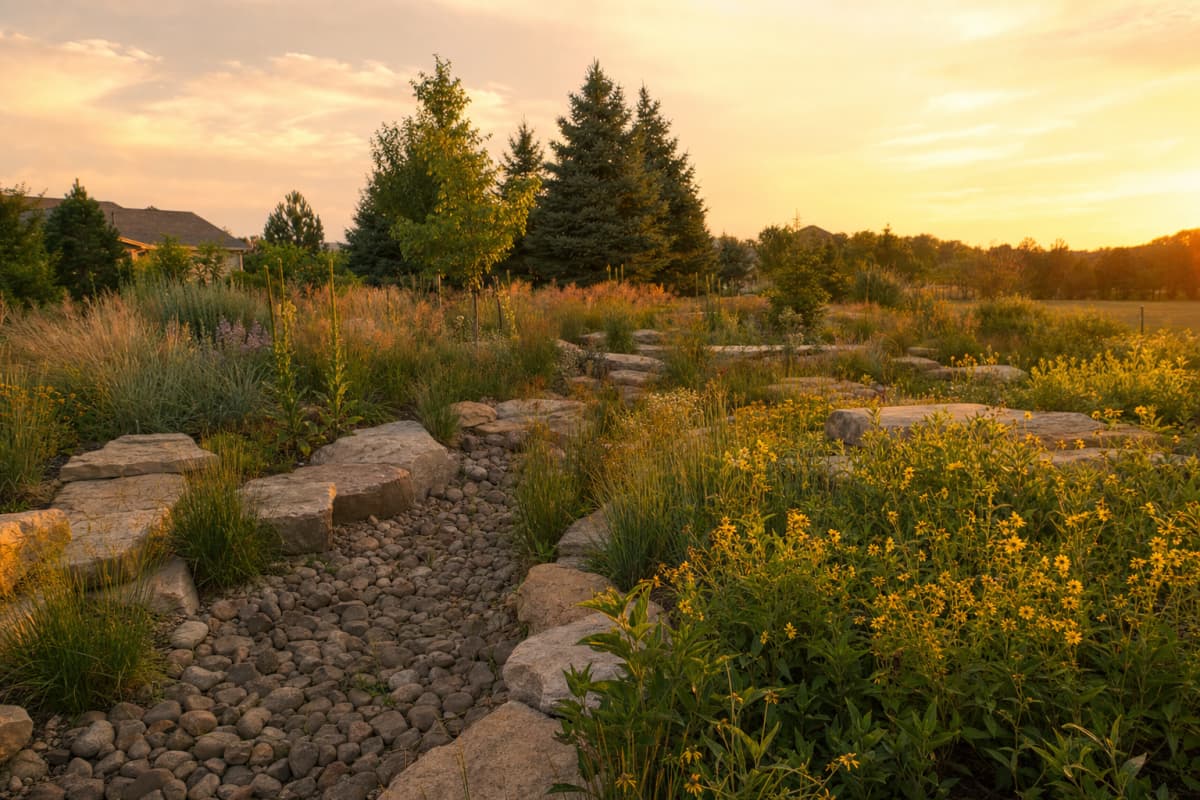
Native Eco-Landscapes & Rain Gardens

About This Service

Sustainable landscape design is about function as much as aesthetics. A pollinator garden supports local habitat and provides continuous bloom. An edible landscape produces food and looks intentional. A permaculture design establishes systems where different plants support each other, where water is captured and slowed rather than drained away, and where the landscape requires progressively less intervention as it matures. We design and install three distinct sustainable landscape systems: Pollinator Gardens that support native Wisconsin bee species, monarchs, and beneficial insects with plants chosen for continuous bloom from spring through fall; Edible Landscapes that integrate food production into ornamental design so the yard is both productive and intentional; and Permaculture Designs that establish layered plant communities — canopy trees, understory shrubs, groundcovers, and root crops — that function as a self-supporting ecosystem over time. These designs are more planning-intensive than conventional landscaping because getting the plant relationships right matters from the start. We spend more time in the design phase and are direct about what a design will look like in year one versus year five — because they are often very different, and clients who know what to expect tend to stay the course.

How It Works

Our Process

  1. 01

    Site analysis

    We observe how water moves across the site, where sun and shade fall through the day, existing soil conditions, and what the site's character suggests about what will grow well here.

  2. 02

    Design

    We map a design that works with site conditions — water-loving plants in low areas, drought-tolerant species on exposed slopes, food plants where access is convenient. Plant guild relationships are mapped for permaculture designs.

  3. 03

    Installation

    Plant communities installed with appropriate spacing for mature size. Soil building integrated from the start. Paths, water features, and structural elements established.

  4. 04

    Establishment guidance

    We explain what the design will look like through the establishment period — typically two to three years — and what minimal intervention is needed to support the system as it matures.

Project Photos

Recent Native Eco-Landscapes & Rain Gardens work

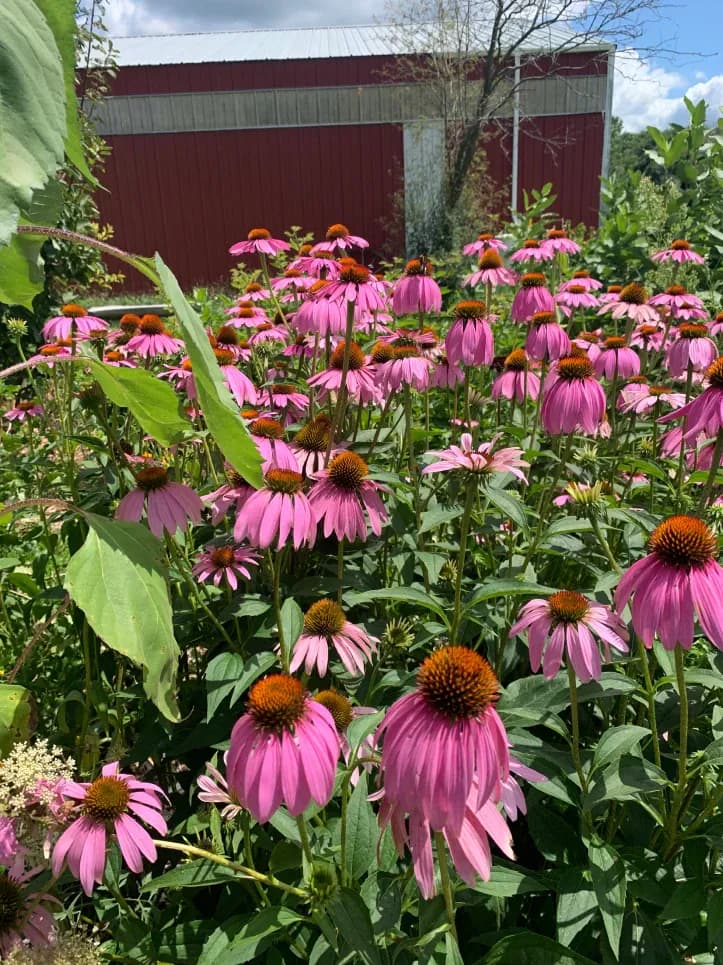
  • Purple coneflower pollinator garden

    Purple coneflower pollinator garden

    Sullivan

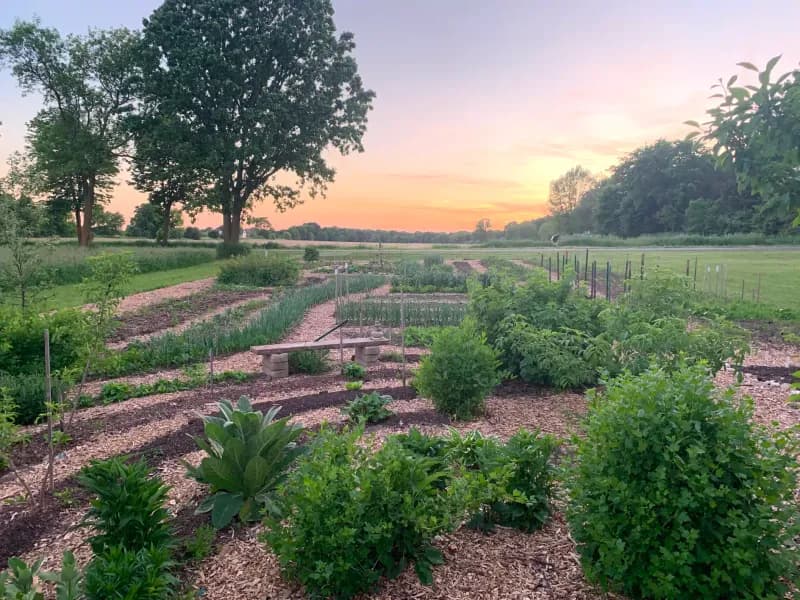
  • Large edible permaculture garden at sunset

    Large edible permaculture garden at sunset

    Sullivan

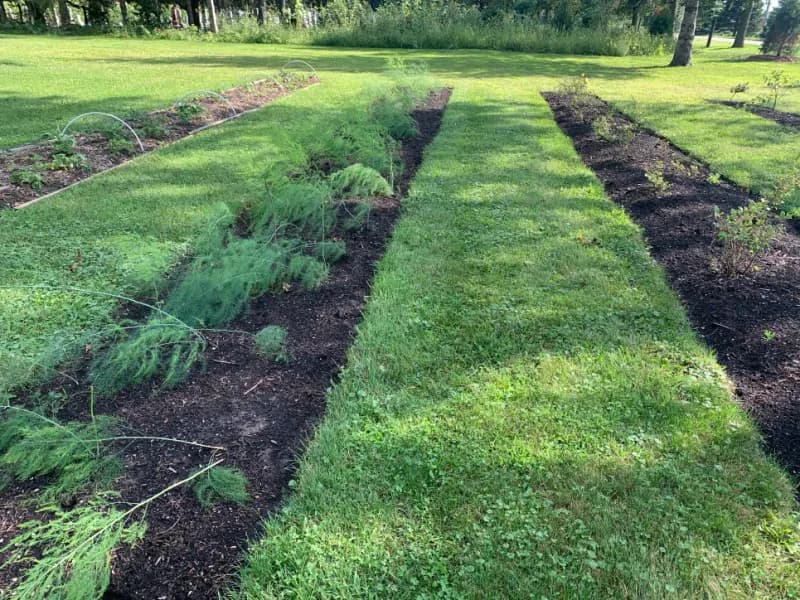
  • Edible garden rows with asparagus and planted beds

    Edible garden rows with asparagus and planted beds

    Sullivan

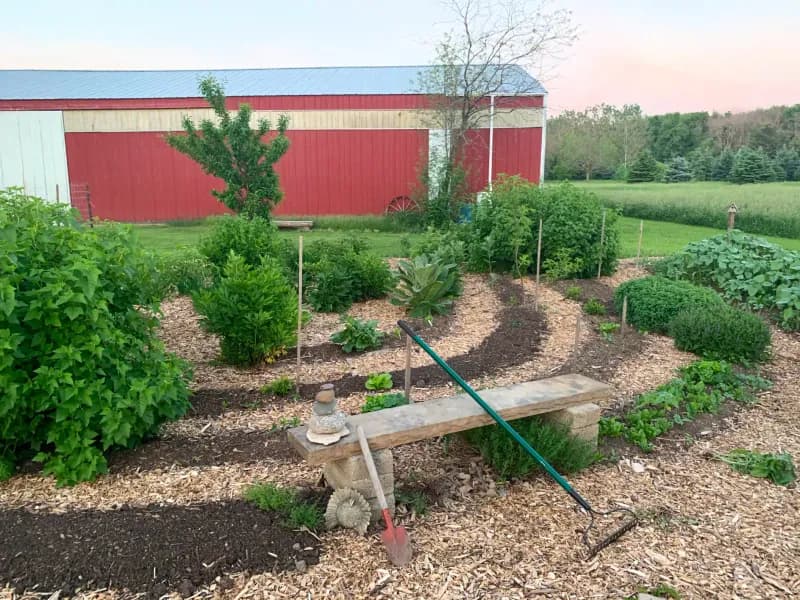
  • Mixed herb and vegetable garden with stone bench

    Mixed herb and vegetable garden with stone bench

    Sullivan

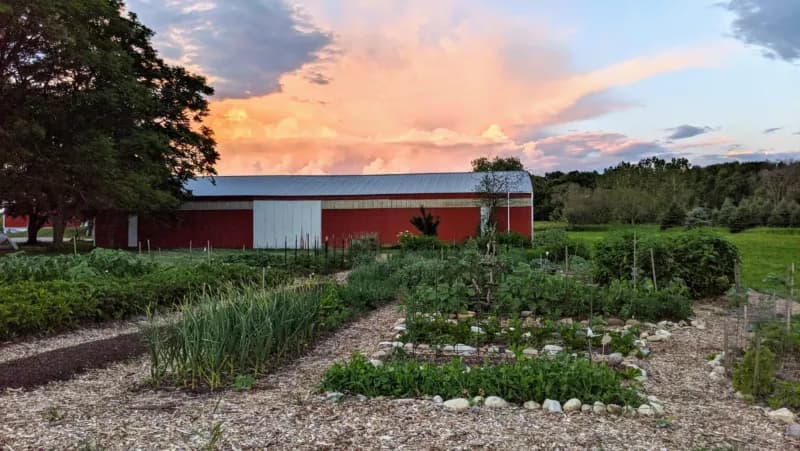
  • Mature permaculture garden at dusk

    Mature permaculture garden at dusk

    Sullivan

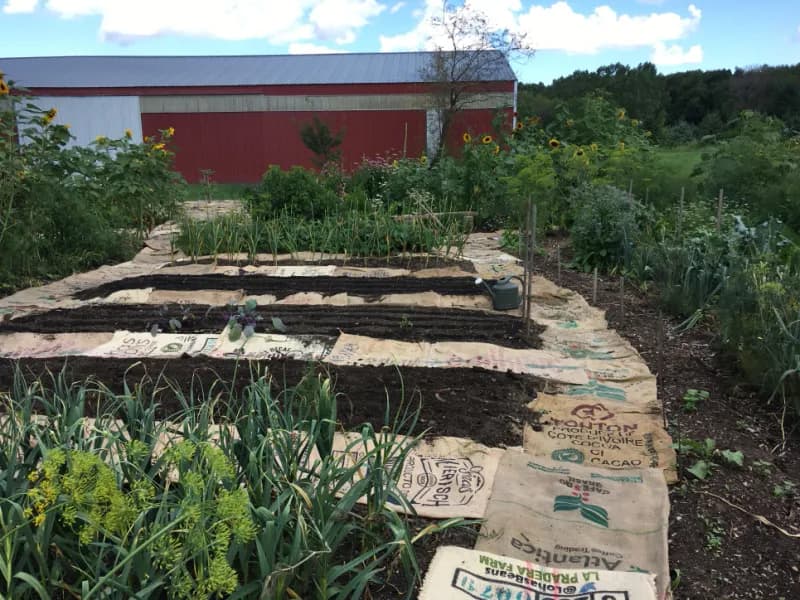
  • Permaculture garden with burlap paths

    Permaculture garden with burlap paths

    Sullivan

Common Questions

Native Eco-Landscapes & Rain Gardens FAQs

What is the difference between a pollinator garden and a regular flower garden?
A pollinator garden is designed specifically for habitat — plant species chosen for their nectar and pollen value to native Wisconsin bee species, butterflies, and beneficial insects, with continuous bloom from early spring through late fall. A conventional flower garden is designed primarily for visual effect. Many plants overlap, but the intent and species selection differ meaningfully.
How long does a permaculture design take to mature?
A permaculture system goes through a visible establishment period — typically two to three years — before it looks intentional and begins to function as designed. Year one often looks sparse. Year three starts to fill in. Year five begins to look like what was planned. We are upfront about this timeline before installation.
Are sustainable landscape designs appropriate for suburban lots in Waukesha County?
Yes — suburban properties often benefit most from these approaches. Pollinator gardens, edible landscapes, and naturalistic designs can be scaled to any lot size. We design them to fit suburban contexts: neighbor relationships, setbacks, and HOA considerations factored in where applicable.
Do you use native Wisconsin plants in these designs?
Yes. Native plants are the foundation of our pollinator and permaculture designs — they have co-evolved with local pollinators and require less intervention than non-native species once established. We source from reputable native plant nurseries and select species appropriate to your specific site conditions.

Ready to get started on your native eco-landscapes & rain gardens project?

Request a free, no-obligation estimate — we'll come take a look and give you a clear, honest quote.